
Readme.md
This is our 2026 guide for interns & new hires. Now you too can be.. an intern, I guess?

Welcome to Laminar Collective (& for some of you, Manatee dev)!
This week is mostly remote onboarding, so here’s a checklist. Your goal this week is to get set up on payroll & Slack, and to study how heat pumps work.
I’ll break it all down in 3 sections, with a preface & afterword:
Preface: Why Heat Pumps?
How Heat Pumps Work
What We Install
Houses We Work With
Afterword: How This Market Works (aka Pricing)
After that, I’ll also add some notes on interesting observations about the market. Excited to have you here with us!
Why Heat Pumps?
From the LA fires last year1 to Miami needing to spend $3.3 billion to accommodate sea level rise to Mexico City almost running out of water to summers getting progressively hotter in MA & one of the warmest winters in the West, we’re starting to experience the impact of climate change in real time. Reducing emissions is critical to tackling the problem over the long-term and averting the worst-case scenarios.
But also? Heat pumps are 2-way ACs. People want more AC in a warming world.

For that reason, heat pumps are getting more popular all over America, and even as the 25C tax credit fades out, it’s still poised to be a major market segment in the decades to come. It’s a good business to be in, particularly since it’s AI-proof to a reasonable degree.
How Heat Pumps Work
Drew Tozer has a well-deserved reputation in the building science community as a heat pump expert, and I find his introductory video excellent.
Heat pumps all start with the outdoor unit, which is similar for every type of home.


And on the inside, you have a variety of units for different homes & setups.


They basic scientific principle behind a heat pump is the same as that of a refrigerator. So here’s an easy explanation of how that works:
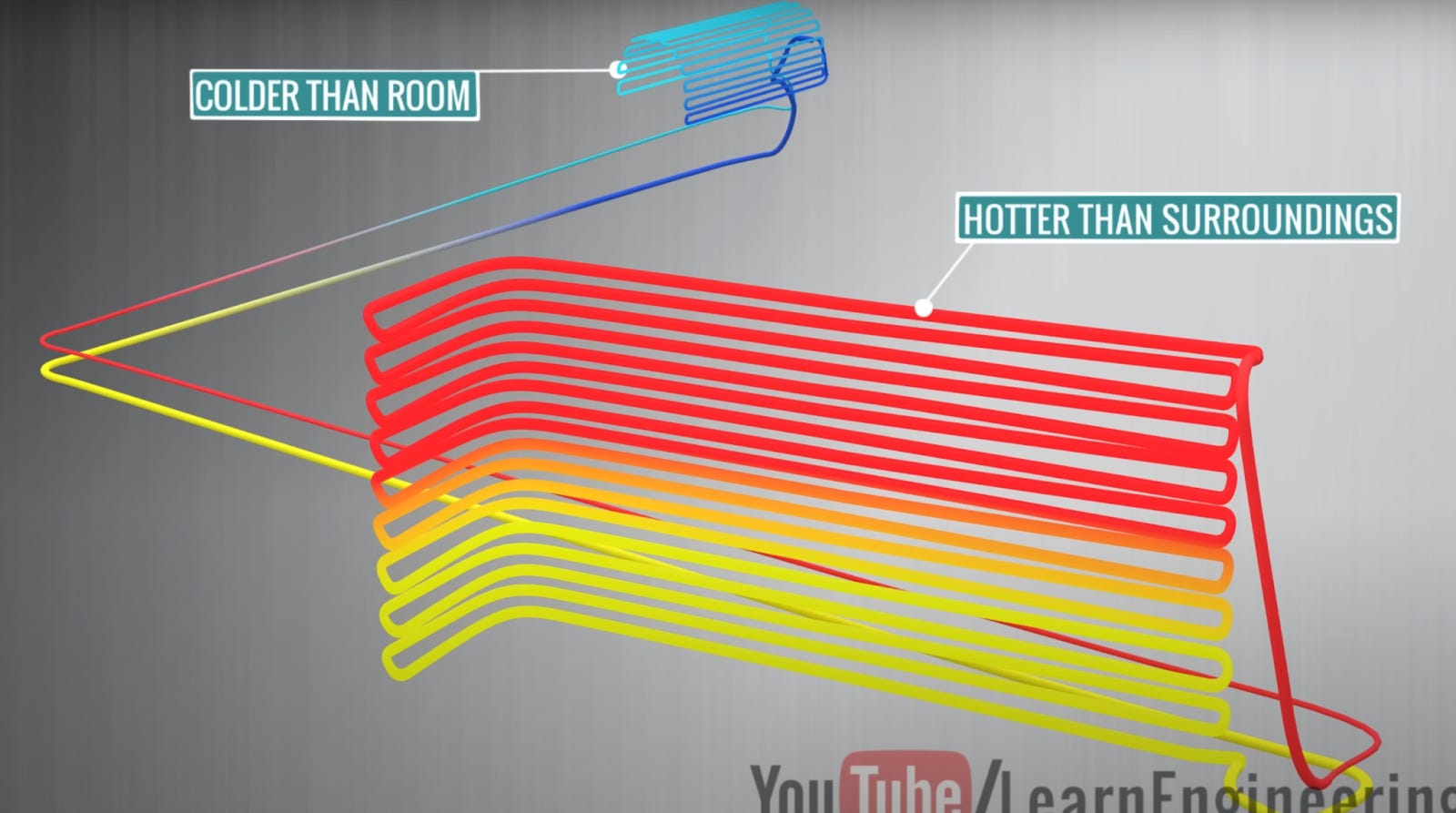
Give it a go. From there, if you want to see how it’s installed, feel free to check out these videos, courtesy of This Old House (which is based here in Boston!).
How to Install a Wall-Mounted Mini-Split | Ask This Old House
How to Install a Whole-House Ductless System | Ask This Old House
Do they work in the winter?
Yes, they do. They have a defrost mode that melts the ice. I write about that here:

And you can read the follow-up here: Decoding Defrost.
What We Install
We’re lucky enough here at LC to be a bit of a testing lab for various brands. So here are all the guides we’ve written about the most common brands, starting with an overview:
Honest Review of LG, Mitsu, Daikin, Midea+

We wrote an article last summer about all the new R-32 & R-454B models that were hitting the market. Now, we have a TON of real-world installation experience with these models.
Now, for the brand-by-brand photos & reviews:
First Impressions on Daikin R-32

For the better part of 2025, we were waiting for Daikin’s R-32 models to arrive. In 2026 they are finally here. And I’m glad to say that they’re better than ever.
First Impressions on Mitsubishi R-454B

Mitsubishi, long the market incumbent in the cold-climate world (at least in MA), has released their latest R-454B models this summer and we just did our first installation. Here’s our impressions.
First Impressions on LG R-32

As we mentioned before, we’re installing LG for Fall 2025 since the 3-ton model ranks highly for efficiency stats at a fair market price. We’ve completed 3 6 installations so far.
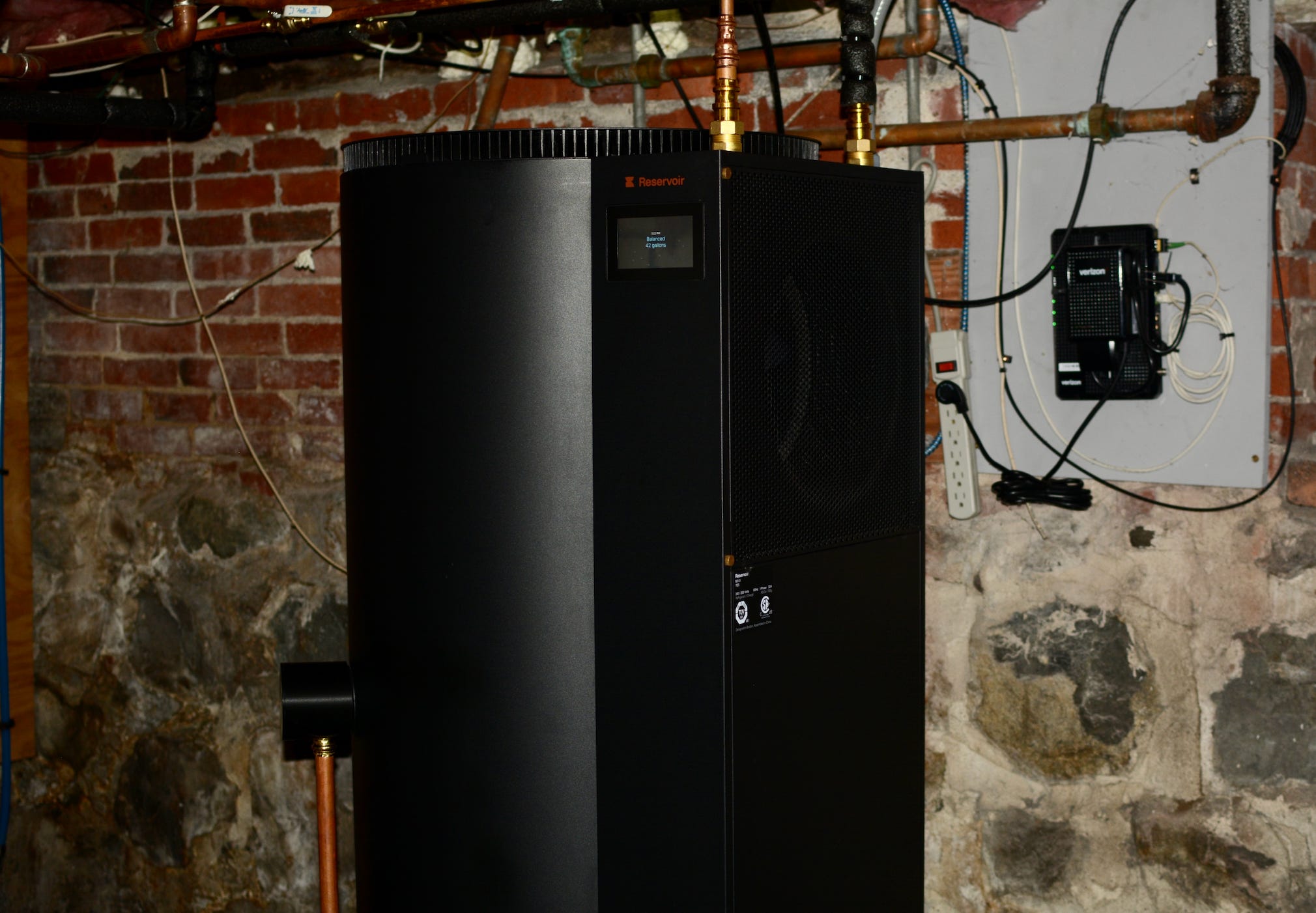
We’ll continue to test new equipment on the market this year. You can expect a review of Reservoir’s cool new heat pump water heater, Daikin’s Skyport service, etc.
Houses We Work With
We’ve spent the past 2 years categorizing the 4 common types of homes you’ll find in the Boston Metro Area (that aren’t multifamily - I’ll write about that later). Each come with unique characteristics that make it either easier or more difficult to install heat pumps in.
Here they are:
The Triple Decker Guide to Heat Pumps

A Guide by Laminar Collective. We want to thank the Barr Foundation, via. the Building Electrification Accelerator, and Mass Save’s Community Education Grant for making this research possible.
The Two-Family Guide To Heat Pumps

After triple deckers, cape houses, and colonials, we finally turn our attention to the white whale that is the 2-family home. You have a lot of these in Somerville & Cambridge, specifically.
The Colonial Home Guide to Heat Pumps

A Guide by Laminar Collective. We want to thank the Barr Foundation, via. Building Electrification Accelerator, and our members for making a lot of this possible! And Ace as well.

These guides walk you through layout, design, equipment selection, and the installation steps for each type of house. Give it a read; you’ll be expected to understand the terminology out in the field (e.g. “it’s a mixed ducted colonial install, new ductwork”).
How This Market Works
How much does a heat pump installation cost?
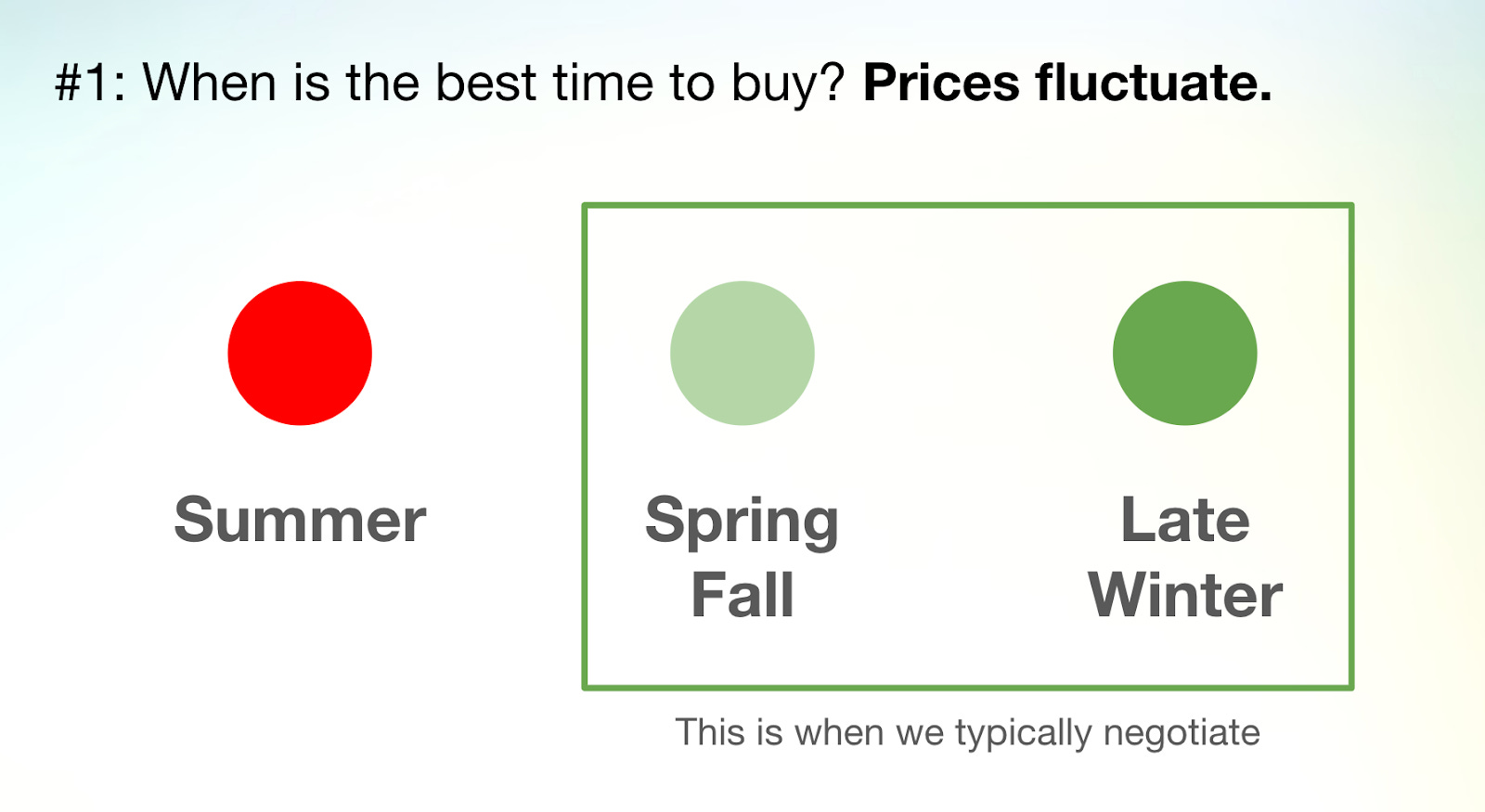
Answering that question has been the primary research mission of LC for the past 2 years. Long story short, it depends on what you buy, when you buy it, and who you buy it from.


Empirical Market Data
Every now & then, LC compiles benchmarks of actual market prices by taking one house, and asking ~20 contractors for quotes. Here are 3 of them, along with our (somewhat famous/infamous, depending on who you are) Reddit summaries:
Based on our research, we find that there is a very wide range of prices between contractors. For example, in the summer benchmark, you can find contractors offering the same system from $20k to $40k!!
Why the Variance?
There are other reasons why pricing differs so much between contractors, such as:
Specialty - e.g. ductless specialists can do those jobs quicker, so cost is lower
Contingency - pricing a job higher because you’re afraid something will go wrong
Ideal profit margin - Sr. techs will charge more so they can save, and retire (or PE)
Hiring plans - contractors charge more if they want to hire, so they can build…
Cash reserves - so you don’t need to lay off your employees every slow season
Distance - some contractors bake distance & commute time into pricing
For a unifying theory covering some of these factors, as well as just some articles where I actually emphasize with how much contractors charge, see below:


And, last but not least, a line-by-line breakdown of a common type of installation in case you’d like to see the numbers:

Here’s a companion piece & discussion as well.
Bonus: Who Runs This?
I built LC with great people. Here are some of them:
Conclusion
There’s a lot to understand about HVAC if you’re a contractor. Most contractors know some or all of this on an intuitive level. For us, we wrote all this to give consumers the same access to this information, and I’m hoping that new contractors in the space will use this as a resource to better understand what they’re up against as well.
As for my personal reasons? Well, you can read more about that in the footnotes2.
Yes, I know there’s more to California’s fire issues than just climate change. I wrote all about it here, but real credit goes to Katherine Blunt’s incredible account of PG&E in California Burning, which this summary is derived from. I’m a big fan, and you should all read the book.
After a sufficient number of winters, I will, one day, return to California. (Yes friends, I know I’ve been saying this for years, usually around February, before thinking in May okay, fine, this is nice, MAYBE ONE MORE YEAR.) If/when I do, I would like to tackle policy problems such as cost of living & the housing shortage one day. But I want to understand this problem on a fundamental level, not just on a superficial sloganeering level. After two years of doing this, I now understand cash flow & reserve requirements on a deep, visceral level, which is probably how these affordable housing developers feel right now; seeing the numbers add up for consumables and equipment is a harsh lesson that permit & zoning reform alone is not a magic wand that will cure California’s housing market of all ills. Having been in the decision seat for hiring, I also know that sustained, long-term demand is what builders need to have the confidence to invest in bigger teams, more so than any short-term incentives. There are a lot of lessons to pull from this experience, and if nothing else, I know more than anyone ever needs to know about how to fix an air conditioner.